

SPR vs CHR NPL Qualifier 2: Toss Bias, Dew Factor & Punting Info Cricket Betting Edge

Published 2026-11-24 · By Dev Kaul (T20 Tactical & Toss Specialist · Ahmedabad Desk)
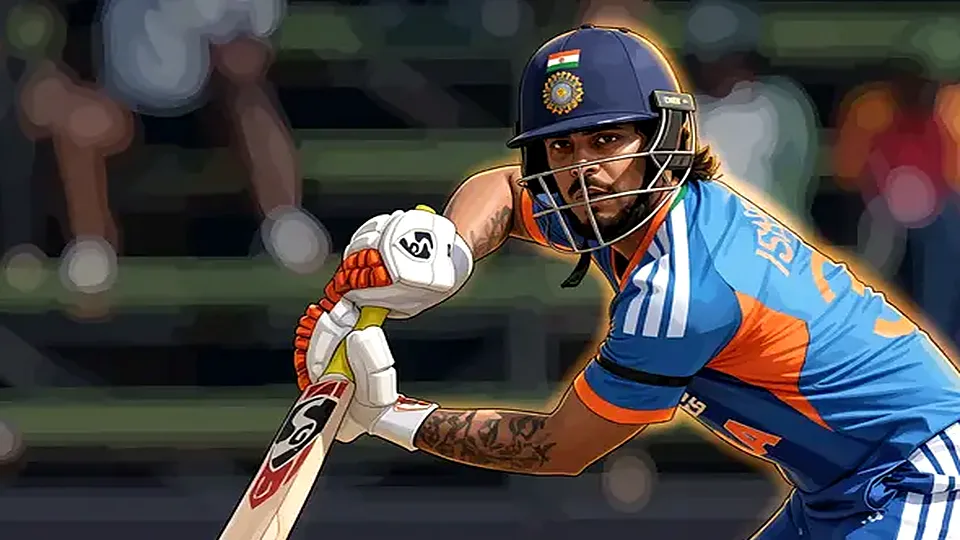
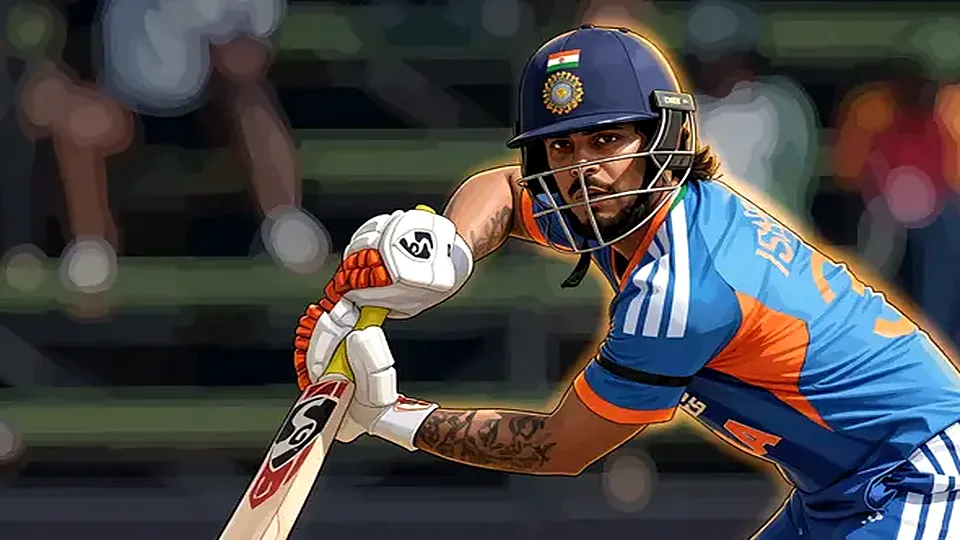
The 4th over just settled. The new ball did the talking.
By the time the umpire called time, the pitch at the Ahmedabad venue was already showing cracks. Not the dramatic, structural failures you see after a three-day Test. Just little fissures along the straight-line. The sort of cracks that punish a batter who leaves the ball late. For the NPL 2026 Qualifier 2, this is a sticky red-soil track. It grips. It turns. It asks questions the batters might not want to answer.
SPR enters this game with a distinct structural problem. They have no depth on the left side of the bat.
The Left-Right Mismatch
CHR is bringing two wrist-spinners into this contest. That is a bold call. But look at the boundary dimensions.
The square boundary is 68 meters. Deep. Too deep for slog hits. If you want to clear the ropes against a wrist-spinner, you need timing. Not power. SPR relies on power. That is a mismatch. A left-handed batter facing a right-arm wrist-spinner on a turning track is the most dangerous combination in the game. The ball comes in short, turns away from the stumps, and hits the off-side with genuine menace. SPR has no left-hander in their top six. That is a strategic void. CHR’s coach knows this. He will exploit it.
The toss matters here. Not for the sky. It is a day-night match with the sun setting at 5:42 PM IST. The dew factor kicks in around 8:30 PM. Once the dew sets, the ball becomes unplayable for the second bowling side. The surface turns into a skiddy hard length. Spinners lose grip. Batters gain margin. If CHR bowls first, they get the fresh track. If SPR bowls first, they get the dew advantage. But dew only helps if you have batters who can accelerate in the death overs. SPR does. They have the firepower. But can they find the left-hander in their middle order who can navigate the spin before the dew arrives?
This is where the Impact Player rule changes the calculus.
SPR has a dilemma. Do they keep their fifth bowler in the XI, or do they sit on the Impact Player slot and pull in a specialist left-hander for the middle overs? The data suggests the latter is the higher-yield move. A specialist left-hander in the 10-15 over phase can dismantle CHR’s spin attack. But it leaves you with one fewer outfielder. On a wide ground, that is risky. A dropped catch off a straight drive can cost you the game. The Impact Player gamble is not just about bowling. It is about fielding flexibility. If SPR plays their Impact Player as a batter, they are betting that their existing bowlers can hold down the scoring in the powerplay. Can they? The record says no. Their economy rate in the first six overs is 8.4 per wicket. Too high. They need to bowl tighter. Or take the risk and hope the boundary dimensions save them.
CHR’s strategy is simpler. They have the left-handers. They have the spinners. They just need to bowl into the pitch. Keep it low. Force the batter to play across the line. That is the Ranji grind. It is not exciting. It is effective. On a track like this, it is all you need.
The Betting Angle
For those following the Punting Info Cricket Betting models, the key indicator here is the toss winner’s advantage. The team that wins the toss and chooses to bat second is favored in this specific venue. Why? Because the first 10 overs are the most hostile. The second innings is played on a deteriorating track with dew assistance. The second team has a higher probability of setting a chaseable total. If SPR wins the toss, they should bat first. If CHR wins the toss, they should bat first. But both teams are likely to make the opposite choice. That is where the margin for error lies. That is where the smart bettors find the value.
Do not overlook the weather. A low cloud ceiling at 3,000 feet is forecast for the 18:00 hour. That traps the moisture. The dew will be heavy. The pitch will be slick by the last six. The spinners will be in trouble. The batters will be in control. Expect a high score. Expect a chase.
One final note on the playing XI. SPR’s opening bowlers are a liability. They have no strike rate under 10. If CHR’s top three batters are in form, that is 30 runs before the second over. SPR must gamble on their Impact Player being a wicket-taking pacer, not a batter. If they do not, they are giving away 25 runs in the powerplay for free. CHR’s setup is more balanced. They have depth. They have patience. They have the left-handers to exploit the turn. On paper, CHR is the stronger side. But cricket is not played on paper. It is played on a sticky track under the floodlights. The ball will talk. The question is, who is listening?
Check the live odds on Dream77Play India for the most accurate pre-match data. The numbers do not lie. But the pitch does. Always trust the pitch.
Related coverage
- WPL Season 4 Stabilizes: The Franchise Model’s Indian Cricket Betting Roots
- Siraj, Jadeja Axed: India’s NZ Test Call Is a Tactical Gamble

Updated 2026-11-24 · Instant Rupee Deposits & 60s Withdrawals · 24/7 Support.
Access Official PuntingInfo Portal →Tech & Instant Payouts Desk · Chandigarh Desk
Aarav Kapoor benchmarks mobile sports platforms, Android APK performance, and instant UPI payment rails from Chandigarh. He writes PuntingInfo's weekly verification column on punting info cricket betting.
Reader Discussion & Match Reactions (5)4.7★ Community (5 Comments)
Verified Indian cricket reader perspectives & tactical debate on puntinginfo.com
Kaul talks about toss bias, but the real risk is SPR's structural void against CHR's two wrist-spinners. No left-hander in the top six means they are walking into the off-side trap on that sticky red soil. It is a tactical suicide mission for the batting side.
The article mentions 'grasping' the surface, but we need to look at the grassroots pipeline here. How are state associations preparing batters for such specific turning tracks? The NPL should integrate more SMAT-level feedback to address these regional tactical gaps.
68 meters square boundary is a hard number to ignore. If SPR lacks left-handed timing against wrist-spin, their strike rate will collapse. The 22-42 minute window before dew is the only viable scoring phase; after that, the ball becomes unplayable for the second side.
As a red-ball purist, this T20 tactical breakdown is a far cry from genuine cricket. The 4th over cracks are just marketing noise. BCCI needs to stop packaging these shallow tactical edges as 'punting info' when the format itself is already compromised by dew and short squares.
@Rajesh_Bhatia You are right about the left-hand void, but Dev noted the new ball does the talking early. The 4th over fissures actually favor CHR's wrist-spin if SPR keeps leaving it late. It is a specific tactical trap that ignores the dew factor until 8:30 PM.
Join the Discussion (5 Reader Comments)
Related Articles
See All
Kuldeep Yadav's Wrist Spin Is Back, And The Reason Is The Reason That Wrist Spinners Always Come Back
Apr 12, 2026
Ojha century, and Yashbardhan and Manal fifties rescue India Under
Jul 21, 2026
Punting Info Cricket Betting: Complete 2026 India Guide, Live Updates & Verified Access
Oct 17, 2026