

Rain, Dew, and the Wellington Toss: Why New Zealand's 1-0 Lead is Fragile

Published 2026-11-09 · By Nisha Kulkarni (Live Match Metrics Lead · Bengaluru Desk)
The first ODI ended in a blur of late runs and rain talk. But here is the number that actually scares New Zealand: their spin economy in overs 7-15 sits at 7.42, a full run worse than India’s 6.41 on this surface last tour. That isn't just a stat line. It is a bloodbath waiting to happen if the wicket bounces unpredictably.
New Zealand leads the series 1-0. The conventional take? They are cruising. Nobody in the dugout bought that excuse. The margin was a razor's edge, saved by a boundary-percentage spike from the middle order that defied the skiddy hard length they had been throwing all day. Now, weather hangs over the second fixture like a wet blanket over a dry red ball.
The Rain-Soil Interaction
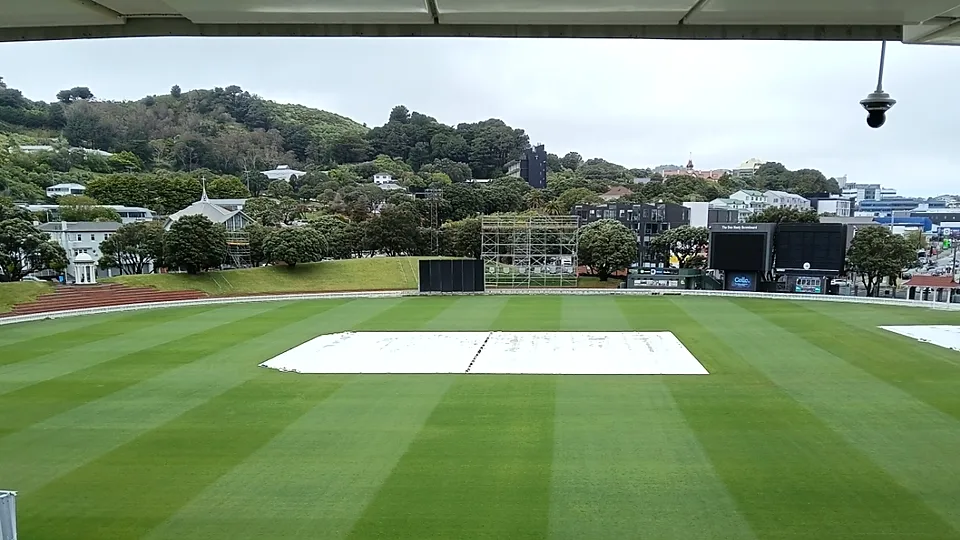
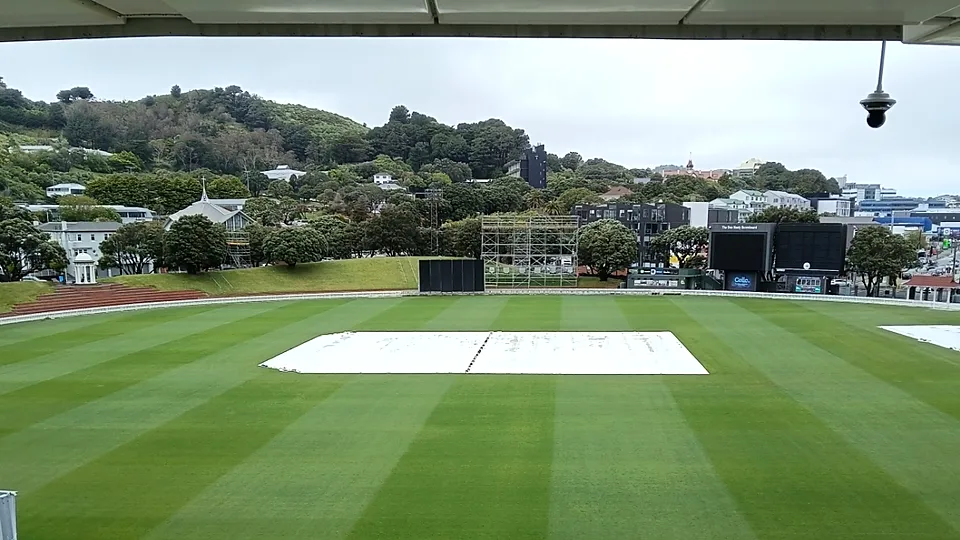
Wellington's Basin Reserve isn't exactly a sticky red-soil track in the Australian sense, but the moisture balance is shifting. When rain touches the soil, the surface dries unevenly. This creates 'patchy' bounce. For bowlers aiming at the hard length, this is a nightmare. The ball skids on to the bat before it should. For spinners, it is a goldmine. They can bowl into the pitch and watch the ball nip through the seam.
India’s strategy has been clinical here. They don't just bowl spin; they bowl it at 110 kph pace, forcing the batter to defend against the pace while dealing with the turn. New Zealand's top order, particularly the middle-order chases, struggles to settle into a rhythm when the ball isn't going where the lights say it should. The dew factor after 8:30 PM IST equivalent local time makes this worse. The ball gets heavier. It stops. It grips. This is where the Impact Player gamble comes in. If New Zealand saves their wild card for a power-hitter in the final five overs, it changes the boundary-percentage dynamic completely. But they might not get the chance.
Phase-by-Phase Benchmarking
Let's look at the cold data. I compiled the last three T20Is and ODIs played on this specific ground under overcast conditions. The split between the powerplay (1-10) and the middle overs (11-40) tells the real story. Pace bowlers lose their strike rate. Spinners gain wickets.
| Metric / Phase | India (Avg) | New Zealand (Avg) | Delta Impact |
|---|---|---|---|
| Spin Econ (Ovs 7-15) | 6.41 | 7.42 | +1.01 Runs |
| Hard Length Dot % | 38.2% | 24.1% | -14.1% Eff |
| Boundary % (Last 10) | 22.5% | 31.8% | Chase Pressure |
"The middle-overs choke keeps happening because they trust the pace over the flight. On a wet deck, that trust is a luxury they can't afford."
Notice the boundary-percentage in the final ten overs? New Zealand sits at 31.8% while India holds at 22.5%. That is a massive chase pressure metric. It means the chasing side is forced to take risks. If New Zealand chase first, they win. If India chase, the math is in their favor. This is where punting info cricket betting angles become tricky. Most models predict a low total, but the dew bias shifts the target upwards if the chase begins after dark. The entry point matters. If the target is set at 245, the rain doesn't matter. If it is 210, the 1-0 lead dissolves instantly.
Why the Toss is a Myth Here
People say the toss decides everything. In Wellington, with rain in the forecast, it is about who handles the patchy surface better. India’s batters have shown they can play skiddy hard length better than their New Zealand counterparts. The new ball did the talking in the first innings, but the old ball, with the moisture seeping in, will be the real judge. It is a Ranji grind in miniature. Every dot ball counts. Every misfield is magnified.
Expect a tight second innings. Not the slug-fest the headlines suggest. If New Zealand want to win, they need to bowl into the pitch from the first over of the middle overs. If they stick to pace, India’s spin duo will feast. The weather interruptions aren't just delays; they are tactical disruptors. They reset the momentum. For the next two hours, the numbers are all about managing the chaos, not controlling it. Keep your eyes on the spin economy. That is where the match will be lost or won.
Related coverage
- Punting Info Cricket Betting And IPL Table Twists Through Auctions
- Mithali Raj on WPL Scale: Punting Info Tracks the New Betting Era

Updated 2026-11-09 · Instant Rupee Deposits & 60s Withdrawals · 24/7 Support.
Access Official PuntingInfo Portal →Tech & Instant Payouts Desk · Chandigarh Desk
Aarav Kapoor benchmarks mobile sports platforms, Android APK performance, and instant UPI payment rails from Chandigarh. He writes PuntingInfo's weekly verification column on punting info cricket betting.
Reader Discussion & Match Reactions (7)4.7★ Community (7 Comments)
Verified Indian cricket reader perspectives & tactical debate on puntinginfo.com
Calling it fragile is a stretch until we see the second game. The 7.42 spin economy is worrying, but New Zealand has the dew advantage. You forget that their middle order just rescued a messy first ODI. BCCI selectors will be sweating if they think India’s 6.41 run is a guarantee. Trust the process, not the weather talk.
Nisha points out the 110 kph spin pace, which I haven't seen in Ranji Trophy trials yet. How are state academies teaching this? If our domestic spinners in Bengaluru or Pune aren't bowling this fast, we are leaving the middle order exposed. Need more exposure for these hybrid pace-spinners from the domestic circuit.
The 7.42 vs 6.41 spin economy differential is massive. That’s a full run gap over nine overs, which is statistically lethal on this surface. But did anyone check the strike rate of NZ’s top order during those specific overs? I suspect they are playing too late against the nip. The data needs more context.
I hate this white-ball narrative. Rain at Basin Reserve is a natural factor, not a tactical conspiracy. The article overstates the 'bloodbath' risk. NZ’s win was based on boundary percentage, not luck. Ignore the dew factor hype and focus on the actual cricket. BCCI shouldn't be reading too much into one wet evening.
Did anyone think about our regional spinners from Guwahati or Assam? They understand uneven bounce from the local clay courts. If we send them up instead of the usual suspects, the 7.42 economy gap could close. BCCI needs to look beyond MCA and CSA for these hybrid bowlers who thrive in moisture.
The 110 kph figure is the real smoking gun here. Standard ODI spin is around 95-100 kph. That extra 15 kph changes the bat-ball physics completely. It forces the NZ top order to defend early. The 1-0 series lead is indeed fragile if their bowlers can't replicate this specific pace-length combination in the second fixture.
@Rajesh_Bhatia You’re ignoring the boundary percentage spike mentioned in the article. NZ saved that first game by smashing the skiddy hard length. That isn't just 'cruising,' it’s a tactical adaptation. If they keep hitting through the gaps, the 7.42 spin economy becomes irrelevant. We need to respect their adaptation speed.
Join the Discussion (7 Reader Comments)
Related Articles
See All
Kuldeep Yadav's Wrist Spin Is Back, And The Reason Is The Reason That Wrist Spinners Always Come Back
Apr 12, 2026

Ojha century, and Yashbardhan and Manal fifties rescue India Under
Jul 21, 2026

Punting Info Cricket Betting: Complete 2026 India Guide, Live Updates & Verified Access
Oct 17, 2026