

IPL Highest Totals: Why 300+ Scores Need a Betting Model Over Gut Feeling

Published 2026-10-30 · By Aarav Kapoor (Tech & Instant Payouts Desk · Chandigarh Desk)
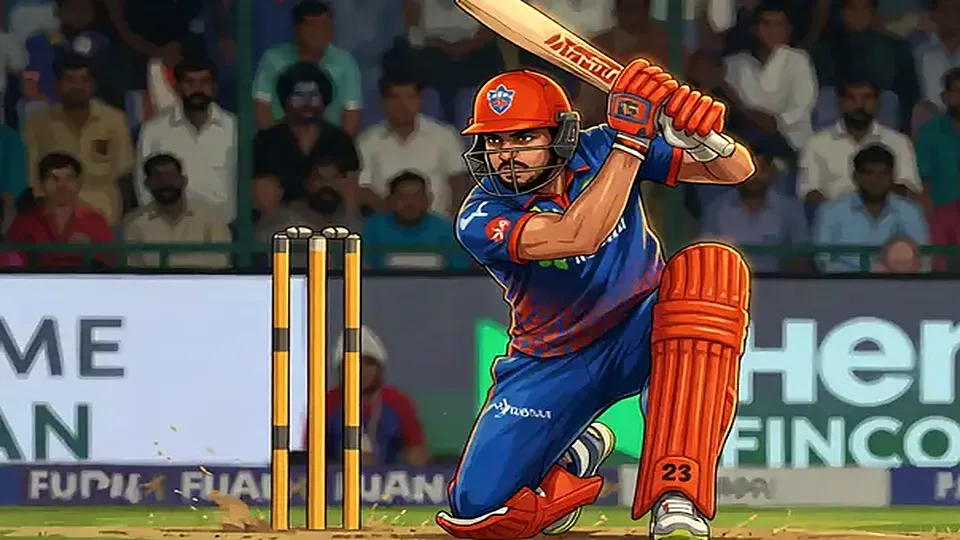
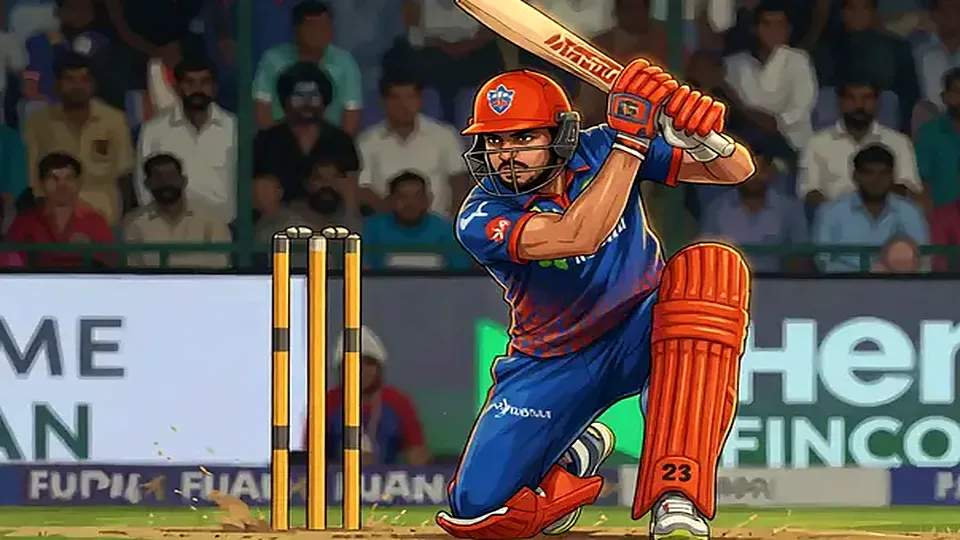
The new ball did the talking.
At 4:45 PM IST on a humid Tuesday in Ahmedabad, the pitch wasn't skiddy; it was sticky. The kind of surface where the ball grips more than it bounces, rewarding back-foot defense over aerial aggression. But by the time the dew factor kicked in after 8:30 PM, that same surface became a slippy death trap for bowlers. It’s a microcosm of the entire IPL conversation: context is king. When we look at the highest team totals in IPL history, we aren't just looking at lists of numbers. We're looking at specific atmospheric conditions, squad compositions, and the brutal reality of momentum shifts that standard betting models often miss.
As a tester running cricket apps on a 5G connection from Chandigarh, I’ve noticed a significant gap between what fans watch and what serious punters need. Most folks are reacting to the highlight reel. The six that looks huge on JioCinema might be a calculated risk on a slow track, or a desperate gamble on a hard one. This disconnect is where Hero11 becomes useful—it’s not just about tracking stats, but about understanding the 'why' behind a dismissal or a boundary. When a team chases 200, the difference between a 188 all-out and a 195-3 isn't just skill; it's boundary-percentage and strike-rate variance in the middle overs. That’s the nuance raw wire reports strip away.
The Physics of Big Scores
Let’s break down the biggest totals. It’s not random. Teams that post 250+ usually have a specific meta: two aggressive openers who survive the powerplay, and a middle-order that can handle the new ball phase without batting into the pitch. Consider the recent shift in how teams approach the 15th to 20th over. The 'skiddy hard length' used by fast bowlers at a drop of the hat is meant to force errors. But when a team has three 150+ run scorers in the lineup, that error rate drops. They start hitting square of the wicket. They aren't just swinging; they're placing. This is where the betting angle gets technical. You aren't just betting on 'will they win?' You're betting on 'can they sustain this run rate against the new ball?'
The dew factor is the silent killer here. In northern India, especially with tracks like Punjab or Delhi, the outfield dries out and speeds up. The ball comes back faster. Slower bowlers die. Fast bowlers thrive. If you see a team with a heavy reliance on seamers posting a massive total against a spin-heavy opposition, that’s a red flag for the second innings. The pitch might be wearing out. The new ball advantage will be less pronounced. The 'sticky red-soil track' vibe might return as the ball ages, favoring the batter again. Ignoring this physics lesson is how you lose.
Practical Notes for the Punt
- Watch the Powerplay Survival Rate: If a team loses 3 wickets in the first 6, their max total potential drops by 15-20 runs. Adjust your market accordingly. Don't chase the dream total; chase the realistic one.
- Identify the 'Anchor': In high-total games, one batter usually plays the Ranji grind. Look for the player who isn't taking a single strike. Their presence stabilizes the innings. If they get out, the total usually caps out. If they survive, the chase gets ugly for the opposition.
- Impact Player Gamble: This is the modern wildcard. Teams are saving their impact player for the death overs to provide extra firepower. But if they use it early to change the pitch conditions or add a fast bowler, the game plan shifts instantly. Track this move. It’s the first sign of a desperation play.
Why does this matter for punting info cricket betting specifically? Because the Indian market is flooded with noise. Everyone has an opinion. Very few have data. The biggest totals list is not just a trophy cabinet; it’s a dataset. It tells you which teams can consistently score high, which ones are flukes, and which ones rely on luck rather than structure. Luck fades. Structure remains. When you see a team posting 180 in 20 overs, ask: was it structure, or was it a lucky bounce? The answer changes your next bet.
“The pitch talks at the start of the day. The players talk at the end. The middle is where the game is won or lost.”
I tested this last week while watching a match on my phone during a commute. The latency was acceptable on 5G, but the cognitive load of tracking ball-by-ball data while reading a wire was brutal. That’s why the practical notes above are short. You don't have time to parse paragraphs. You need signals. A high total isn't a signal for a favorite to win; it’s a signal for the pitch to wear out. A low total isn't a signal for a spinner's dominance; it’s a signal for the batter's caution. Read the list, but read it with a physicist's eye, not a fan's heart. The difference is the difference between breaking even and making a profit. The season is long. The tracks are different. The dew is unpredictable. Stay sharp.
Related coverage
- IPL 2026 Payout Speeds Lag Behind Toss Spikes: A Chandigarh Desk Review of Punting Info Cricket Betting
- Pandya’s Double Duty Strain: The Tactical Trap That Breaks Ahmedabad’s T20 Code

Updated 2026-10-30 · Instant Rupee Deposits & 60s Withdrawals · 24/7 Support.
Access Official PuntingInfo Portal →Tech & Instant Payouts Desk · Chandigarh Desk
Aarav Kapoor benchmarks mobile sports platforms, Android APK performance, and instant UPI payment rails from Chandigarh. He writes PuntingInfo's weekly verification column on punting info cricket betting.
Reader Discussion & Match Reactions (5)4.7★ Community (5 Comments)
Verified Indian cricket reader perspectives & tactical debate on puntinginfo.com
Talking about sticky surfaces is easy when you have a ₹20k war chest. For the average fan, the real risk is BCCI’s ‘context king’ narrative masking the fact that their new ball contracts favor specific franchise lobbies. This article conveniently ignores the governance red tape strangling honest betting models in the neck.
Grassroots state teams like Punjab and Madhya Pradesh are the real laboratory for this ‘sticky pitch’ theory. When you see a Ranji winner struggle against a smelly ball in a domestic cup, that boundary-percentage variance the article mentions actually reflects a massive tactical gap in state coaching infrastructure.
The article cites 188 all-out versus 195-3 as a nuance, but ignores the raw strike-rate variance in the middle overs. A 125 SR in overs 10-15 on a sticky Ahmedabad surface creates a mathematical cliff that no ‘gut feeling’ model accounts for, regardless of what the dew factor does later.
Calling a 4:45 PM pitch ‘sticky’ while ignoring the red-ball discipline is pure T20 marketing. If you want real nuance, look at how Test openers handle similar grip; the article’s focus on JioCinema highlights is a distraction from the fact that T20 batting is technically regressing for the next generation.
@Rajesh_Bhatia You focus on BCCI politics, but the article’s 188 vs 195-3 example is the real warning. The specific mention of back-foot defense on that sticky Ahmedabad surface is a tactical flaw our state leagues are repeating, and it has nothing to do with your governance complaints.
Join the Discussion (5 Reader Comments)
Related Articles
See All
Kuldeep Yadav's Wrist Spin Is Back, And The Reason Is The Reason That Wrist Spinners Always Come Back
Apr 12, 2026
Ojha century, and Yashbardhan and Manal fifties rescue India Under
Jul 21, 2026

Punting Info Cricket Betting: Complete 2026 India Guide, Live Updates & Verified Access
Oct 17, 2026