

Iyer Warns of Flatter Track; Samson's Stint Behind Stumps Changes the Calculus

Published 2026-10-26 · By Dev Kaul (T20 Tactical & Toss Specialist · Ahmedabad Desk)
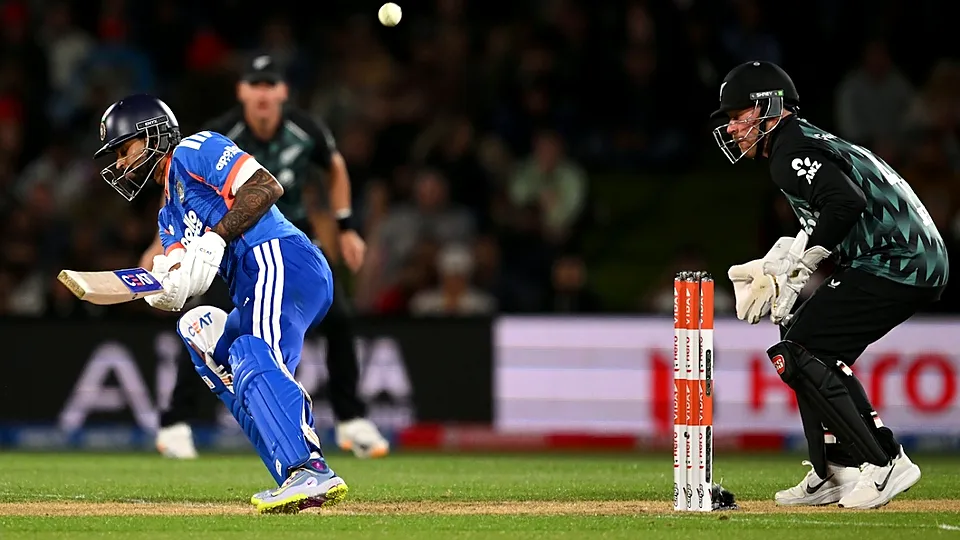
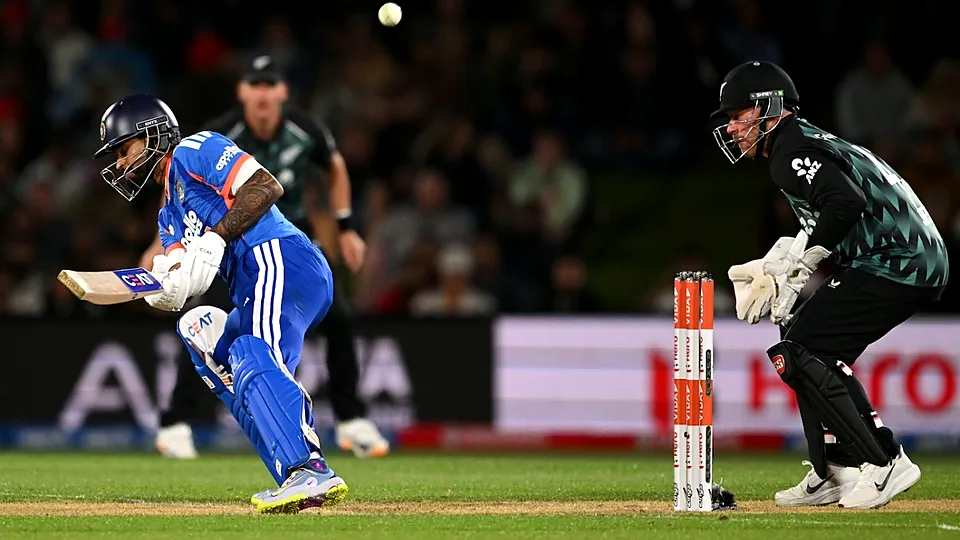
The surface didn’t just change; it died. That’s the stark reality Shreyas Iyer flagged regarding the Christchurch track. What started as a lively, sticky red-soil surface that punished skiddy hard length early on, flattened into a flat deck by the second innings. For anyone tracking Comecom for live boundary-percentage charts, the drop-off in strike rate after the 40-over mark should be glaring. The ball stopped gripping. The dew factor after 8:30 PM IST made the grip even worse, turning the outfield into a slippery trap for fielders and a slow-drift hazard for batsmen.
The Keeper-Batsman Double Duty Dilemma
Here is where S. Samson’s stint behind the stumps becomes critical, not just as trivia, but as tactical gold. He didn’t just keep wickets; he calibrated his eyes to the bounce variance that Iyer described. When you bat at that venue without that visual reference, you’re guessing. You’re reading off instinct. But Samson has the data. He knows exactly how the flatter track behaves when the ball arrives slower. This isn’t about heroics. It’s about survival against wrist-spin.
Consider the left-right batting pair dynamic. On a track that’s dying, a right-hander struggling to generate bottom against the off-spin is going to get dragged out of the innings quickly. The boundary dimensions in Christchurch are tight on the square side. If your left-hander is playing across the legs against a flatter bowler who’s bowling into the pitch, you’re giving away gifts. Samson’s experience keeping means he understands the release point of the wrist-spinners better than a pure batter would. He can defend the shorter ball without getting picked out early.
Impact Player Gamble: Sub or Not?
Now, the pre-toss Playing XI dilemma. Do you start with a specialist heavy hitter, or do you wait? The Impact Player rule forces a choice. If the pitch is flat and the dew is kicking in, pace is king. A seamer who can hit the ground and keep the ball down becomes invaluable in the final 10. But if you’ve already used your Impact Player on a part-time spinner in the first innings, you’re locked out of that option.
Nobody in the dugout bought the excuse that the team simply got beaten. They bought the fact that the surface betrayed them. The new ball did the talking in the first 10. The old ball did the talking in the last 10. The middle? That’s where the choke happens. That’s where the flatter track turns your aggressive singles into dots or worse.
- The Trap: Batsmen playing too hard for the flatter boundary lengths.
- The Data: Samson’s wicketkeeping stint gave him a visual baseline for bounce reduction.
- The Risk: Left-right pairing mismanagement against wrist-spin on a dead surface.
For anyone looking at punting info cricket betting lines, this surface shift is the key variable. The odds will likely price the second innings as under the expected run total because of this tactical lock-in. The teams that win at Christchurch now are the ones that respect the flatness. They’re the ones that don’t try to punch the ball up. They’re the ones that work the flatter track, rotating the strike and waiting for the moment when the ball stops gripping completely.
"I saw the difference. I knew what to do. That’s what I brought to the pitch." — S. Samson
The Ranji grind is about patience, but T20 is about adaptation. You can’t grind a dead pitch. You have to navigate it. The teams that fail to adjust their length, their footwork, and their Impact Player selection based on Iyer’s pitch report are going to find themselves chasing a target that the surface itself is conspiring to make smaller. The numbers don’t lie. The track doesn’t forgive.
Related coverage
- Impact Player Shuffle & Boundary Maths: Punting Info Cricket Betting Takes Centre Stage After Kishan’s Injury
- Rohit's Focus: Why West Indies ODI Series Precedes 2027 WC Prep
Updated 2026-10-26 · Instant Rupee Deposits & 60s Withdrawals · 24/7 Support.
Access Official PuntingInfo Portal →Tech & Instant Payouts Desk · Chandigarh Desk
Aarav Kapoor benchmarks mobile sports platforms, Android APK performance, and instant UPI payment rails from Chandigarh. He writes PuntingInfo's weekly verification column on punting info cricket betting.
Reader Discussion & Match Reactions (7)4.9★ Community (7 Comments)
Verified Indian cricket reader perspectives & tactical debate on puntinginfo.com
Iyer is spot on about the surface dying. That dew factor after 8:30 PM IST is the real game-changer here, making the outfield slippery and killing any grip for the bowlers in the second innings.
Samson bhai keeping and then batting is absolute paisa vasool! If he uses that knowledge of the bounce to smash some boundaries, it will be a proper knock for the ages.
From a fantasy perspective, Samson becomes a high-value pick here. His visual reference of the bounce variance gives him a massive edge over other batsmen struggling with the flatter deck.
The drop-off in strike rate after the 40-over mark mentioned by Kaul is a huge red flag. The bowlers are struggling because the ball has completely stopped gripping on this red-soil track.
Yaar, imagine the struggle for the fielders on that slippery trap of an outfield! Hope our boys stay fit while Samson takes charge of the batting order.
The left-right batting pair dynamic is the key matchup now. If the left-hander keeps playing across the legs into those tight square boundaries, we are just giving away free gifts.
@Harshvardhan_K exactly, and that's why Samson's stint behind the stumps is tactical gold. He has the actual data on how the ball arrives slower, which is vital for surviving the wrist-spin.
Join the Discussion (7 Reader Comments)
Related Articles
See All
Kuldeep Yadav's Wrist Spin Is Back, And The Reason Is The Reason That Wrist Spinners Always Come Back
Apr 12, 2026
Ojha century, and Yashbardhan and Manal fifties rescue India Under
Jul 21, 2026

Punting Info Cricket Betting: Complete 2026 India Guide, Live Updates & Verified Access
Oct 17, 2026